

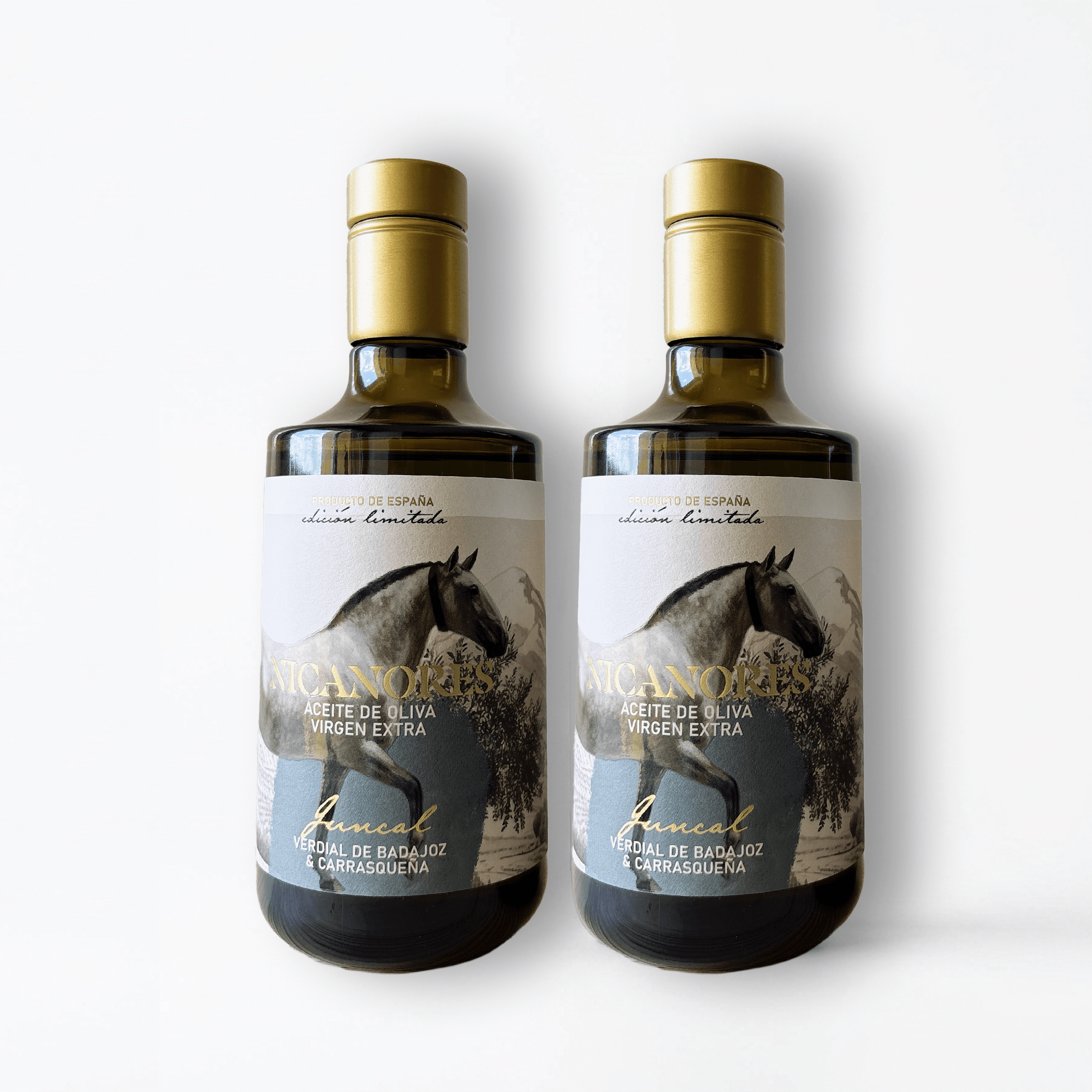
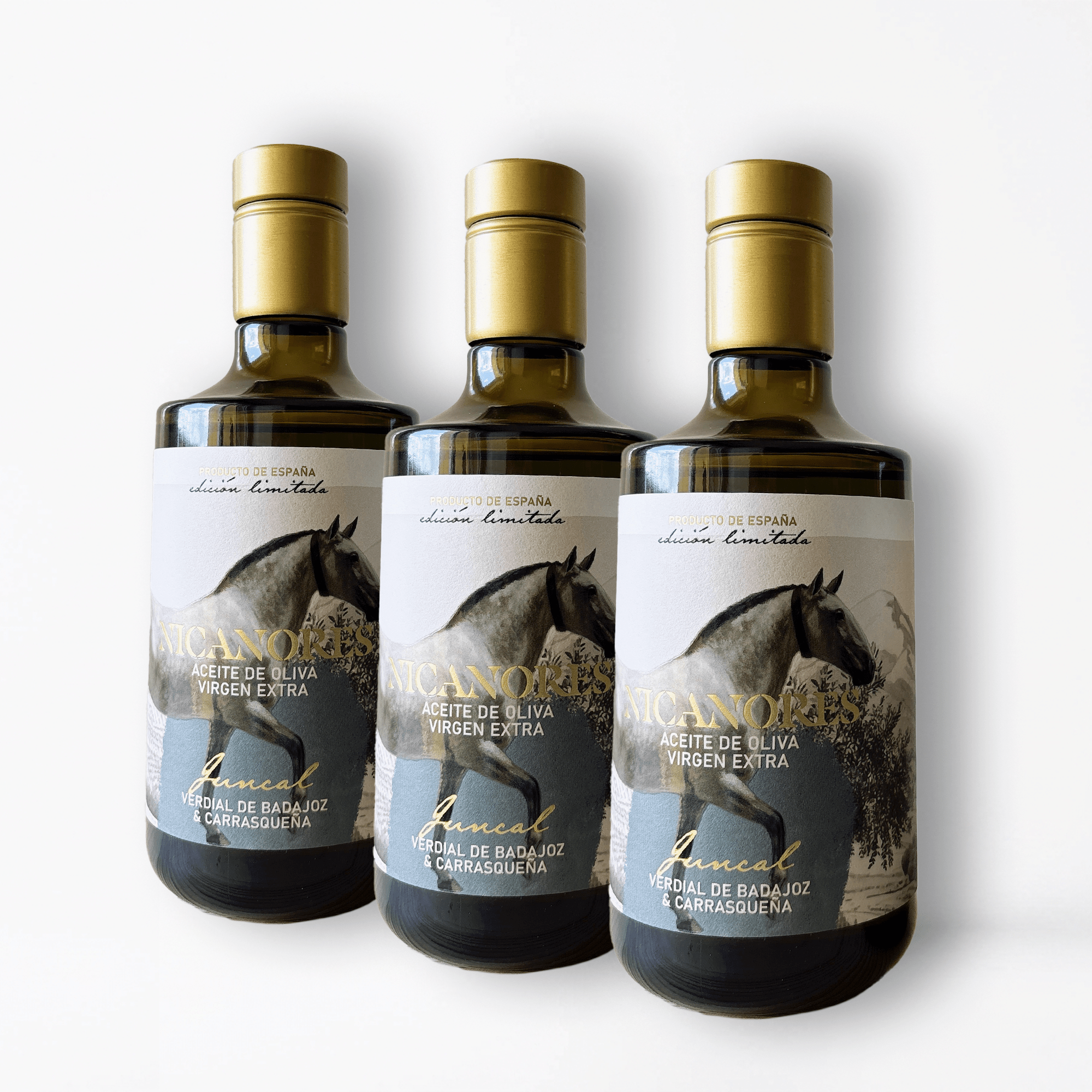
DÚO JUNCAL 500 ml
EXTRA VIRGIN OLIVE OIL
This Extremaduran blend perfectly combines the bitterness of the native Verdial de Badajoz olive with the sweetness and smoothness of the Carrasqueña variety, evoking the serenity of a gentle mare grazing peacefully amidst holm oaks and broom; Juncal.
When used raw, it is the master touch of flavor for your salads, vegetable creams, hummus, and more.
CONTAINS
(2 Und) Botella de cristal de 500 ml
VARIETY
BLEND EXTREMEÑO
Verdial de Badajoz & Carrasqueña
A blend or coupage is the masterful combination of two or more olive varieties, expertly selected to achieve a specific organoleptic profile that none of them could provide on its own.
In our case, we have chosen the native Verdial de Badajoz variety—indigenous to our region—alongside the Carrasqueña variety, also known as 'Picuda', which is more common in the southern part of Córdoba.
SEAL ALIMENTOS DE EXTREMADURA
We are proud to be part of the 'Alimentos de Extremadura' quality certification.

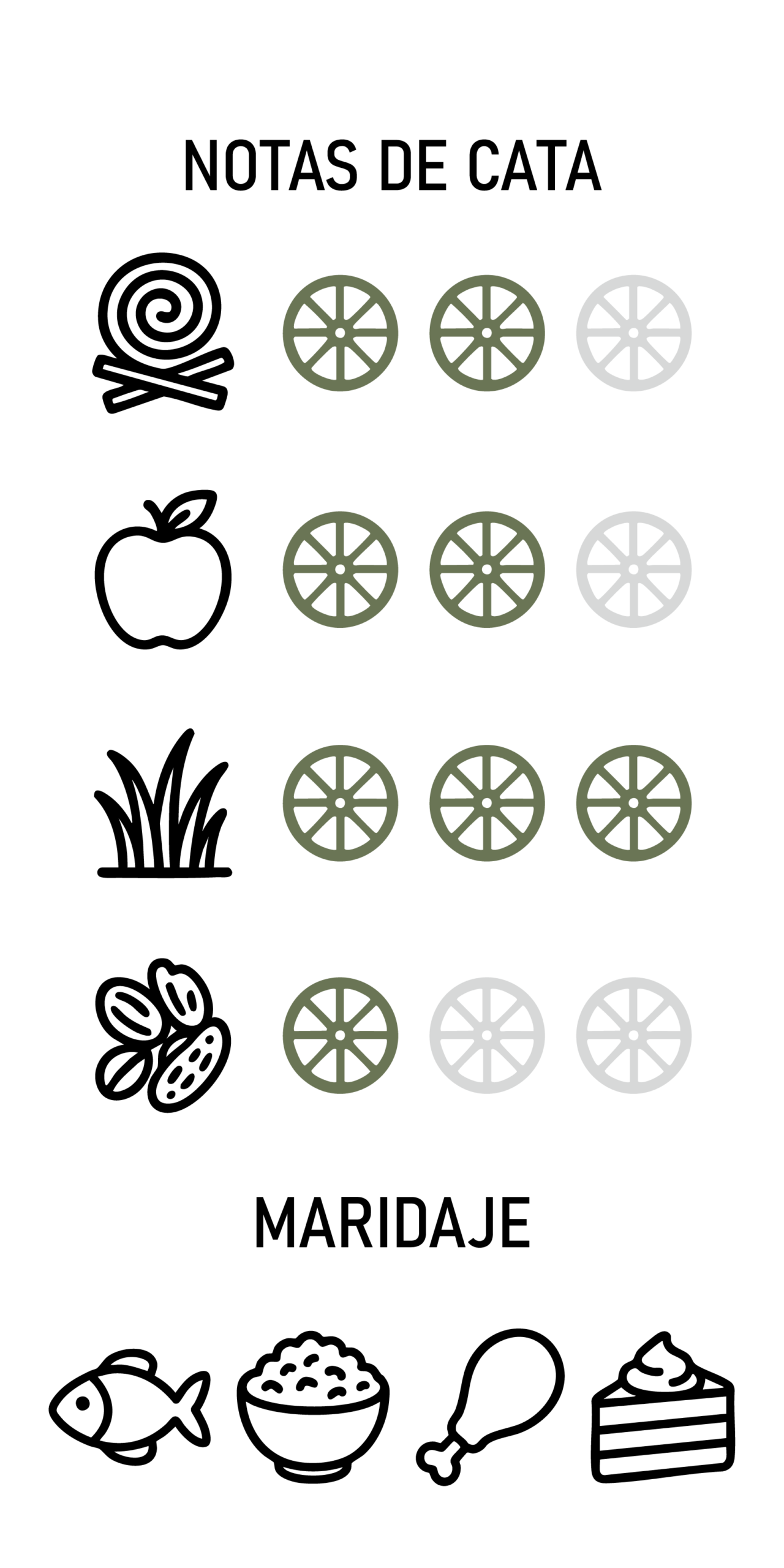
TASTING NOTES
On the nose, it greets you with unique aromas: a fresh touch of olive leaf combined with the scent of freshly watered tomato vines, transporting you straight to a grandparent's vegetable garden—the authentic fragrance of the Extremaduran countryside! Upon tasting, its bold and determined character immediately stands out. You will encounter an intense bitterness that contrasts beautifully with notes of green almond, while an astringency reminiscent of walnut unfolds on the palate. While this oil may be quite powerful for some, it leaves no doubt that quality and character are the hallmark of our house.
Original price was: 34,10 €.28,90 €Current price is: 28,90 €. IVA incluido
Related products
-
Sale!
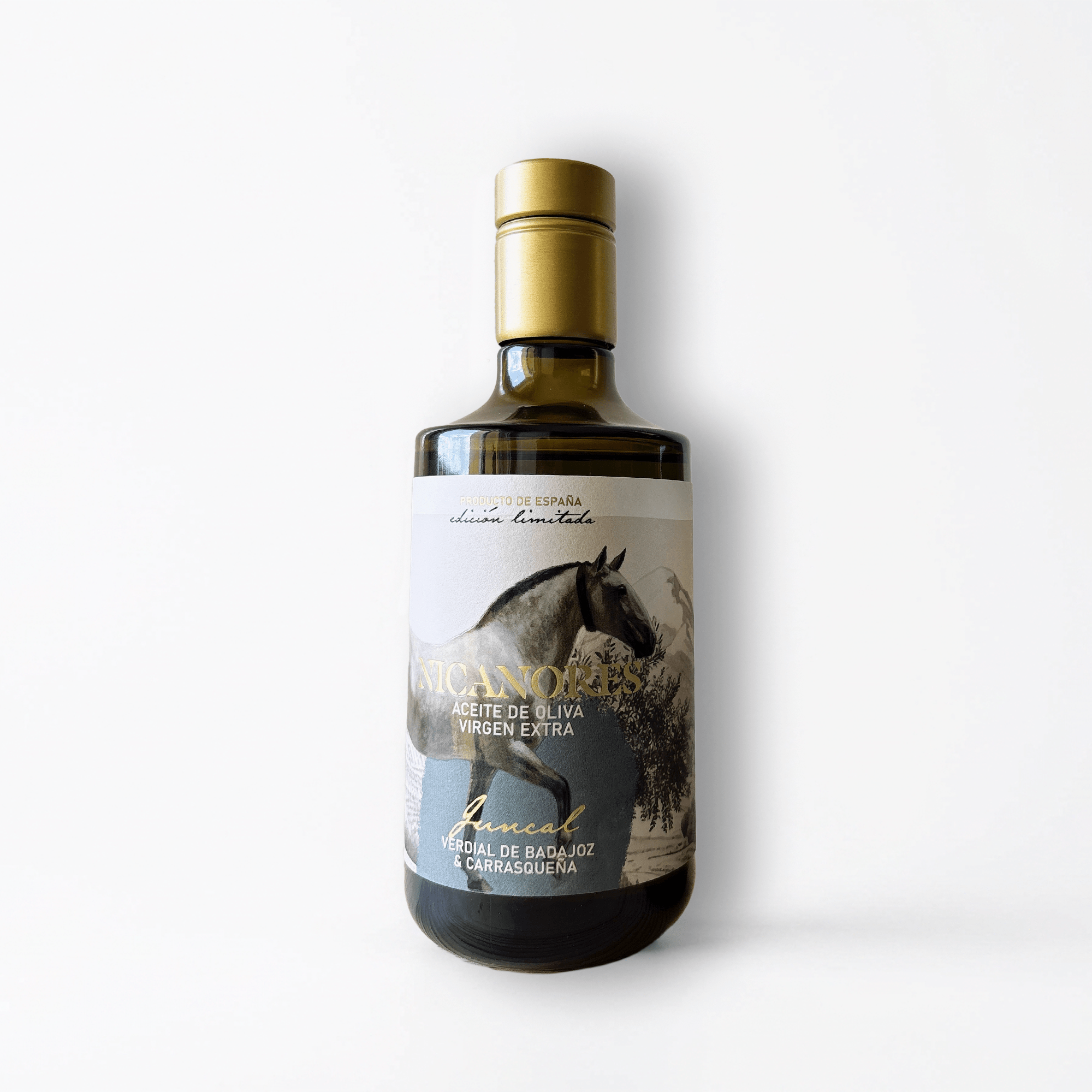
JUNCAL 500 ml
Original price was: 17,95 €.14,95 €Current price is: 14,95 €. IVA incluido -
Sale!
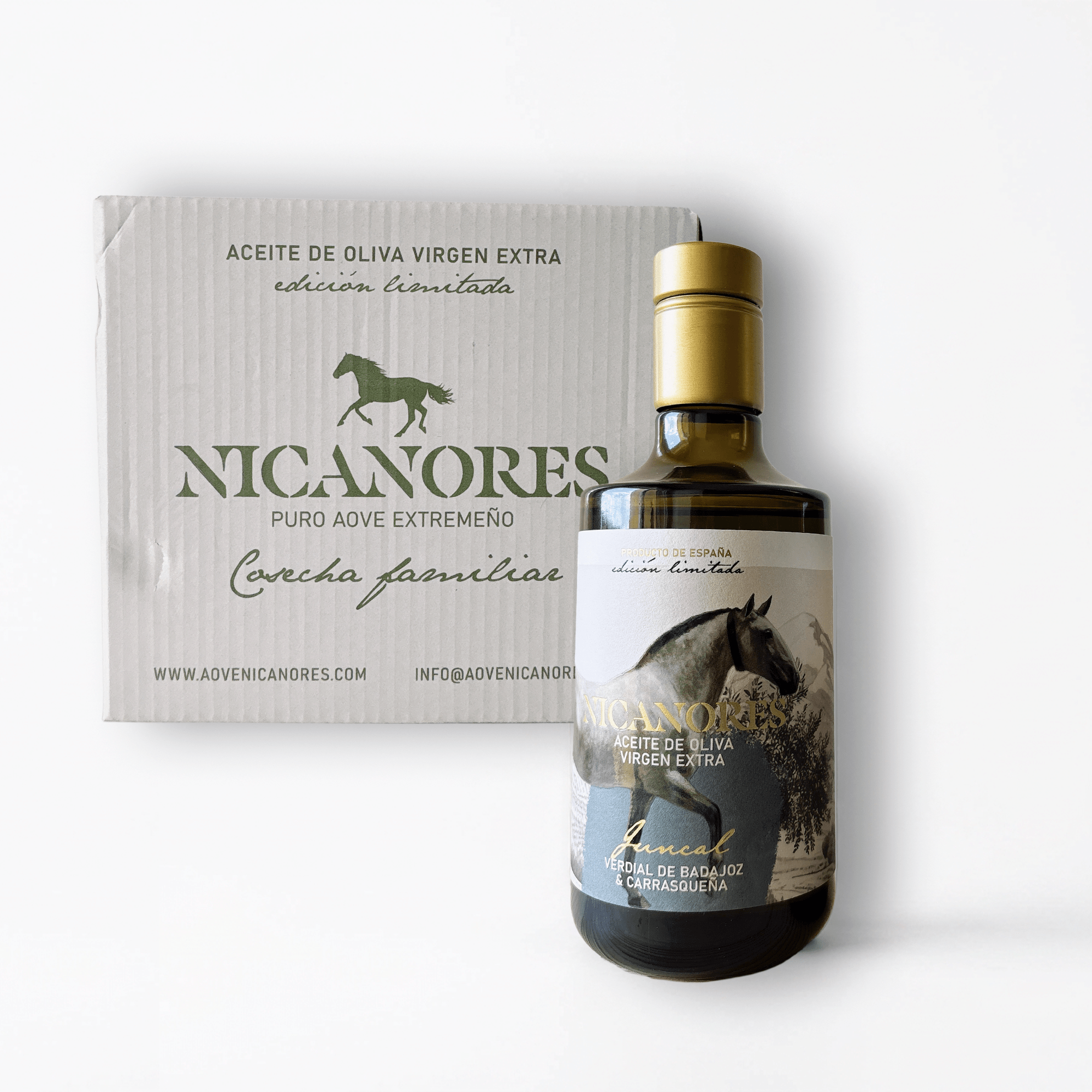
PACK 6UNDS. JUNCAL 500 ml
Original price was: 96,90 €.84,00 €Current price is: 84,00 €. IVA incluido -
Sale!
COBRA DE YEGUAS JUNCAL 500 ml
Original price was: 49,65 €.42,90 €Current price is: 42,90 €. IVA incluido
FAQ
How many types of olive oil are currently on the market, and what distinguishes them from one another?
First, we must distinguish between two main types:
- Virgin oils are literally ’olive juice,’ extracted solely through mechanical means at a temperature always below 27°C (80°F).
- Processed oils are the result of refining virgin lampante olive oil or olive mill by-products using heat and chemical agents such as caustic soda, in order to make them fit for human consumption.
Within the group of virgin olive oil, there are three categories:
Extra Virgin Olive Oil (EVOO): It is the highest quality oil, free of defects, with a maximum acidity of 0.8% and a fruitiness score greater than zero.
To produce it, only olives in perfect condition and at the peak of ripeness are used. They are harvested directly from the tree, and the utmost care is taken during transport to the mill, ensuring the shortest possible time between harvest and milling. It can be bottled and sold directly to the consumer.
Virgin Olive Oil (AOV): It is of lower quality than Extra Virgin, may possess slight defects, must have a maximum acidity of 2%, and a fruitiness score greater than zero.
In this case, the harvesting process is less meticulous, and the olives may reach the mill with impurities and at an advanced stage of ripeness.
Aceite de Oliva Virgen Lampante: It is named as such because it was historically used for oil lamps and candles. This oil is not suitable for human consumption and must undergo a refining process in order to be packaged and sold.
The group of processed oils, we can distinguish two types:
Olive Oil: It is the result of refining Lampante virgin olive oil—a neutral fat with no significant nutritional value (lacking polyphenols, tocopherols, etc.)—to which is added a proportion of virgin or extra virgin olive oil, to recover some color and aroma; it is then labeled simply as 'Olive Oil,' which, depending on the percentage of the blend, can be marketed as 'Mild' or 'Intense'. “8%”, etc.
Olive Pomace Oil This oil is obtained from the pomace—the solid remains left after the olive milling process—from which crude olive pomace oil is extracted. It is then refined using organic solvents and blended with virgin olive oil. While it is of inferior quality compared to olive oils, it offers a higher yield for frying than most seed oils. Furthermore, it serves as a prime example of a circular economy, as it is produced from a by-product of the olive oil industry.
What are the benefits of Extra Virgin Olive Oil?
The estudio PREDIMED from 2018, among others, validate the benefits of this food, which contains high levels of antioxidants, especially polyphenols, which help to minimize the risk of developing cardiovascular, inflammatory, and neurodegenerative diseases.
When used daily as a staple of the Mediterranean diet and paired with other healthy habits—such as regular exercise—it has been proven to help slow the aging process of our body, contributing to greater well-being in later years and promoting longevity for those who consume it.
How is it determined that an olive oil is 'Extra Virgin'?
The quality grading of olive oil is defined by European Union regulations. To determine whether an oil qualifies as Extra Virgin, two types of assessments are conducted:
- Laboratory Physicochemical Analysis: This analysis certifies that the oil meets all the required standards to be classified as Extra Virgin, measuring the levels of oleic acid (acidity), peroxides, and polyphenols contained within.
- Tasting Panel A panel of professional tasters conducts a sensory analysis of aroma and flavor to certify that the oil meets the required criteria to be classified as Extra Virgin.
The oil in question must successfully pass both controls to be classified as Extra Virgin Olive Oil.
Does the color of EVOO matter?
Color is not an indicator of quality, although it can provide clues regarding the olive variety and the time of harvest.
This is why professional tasters use dark or blue glasses during tastings.
This way, they do not bias their sense of smell and taste—the true senses through which an oil's quality is perceived—allowing them to receive the aromas and nuances contained in the product without any bias.
Is EVOO suitable for frying?
It is not only suitable, but truly the healthiest way to fry. Thanks to its bioactive and cardioprotective compounds, EVOO helps mitigate the potential negative effects that the caloric density of fried foods might otherwise have on our health. Furthermore, our oil adds an unmistakable depth of flavor to every fried dish.
Without a doubt, EVOO is the finest fat we can use in our kitchen, whether for frying or for our everyday cooking.
How should olive oil be stored?
There are three main keys to preserving our olive oil at home: darkness, temperature, and airtightness.
Darkness. Light—whether natural or artificial—destroys polyphenols and generates free radicals, causing the oil to go rancid. For this reason, it should always be stored in opaque or dark-colored bottles or dispensers (such as green, amber, or black). If the original packaging is transparent, we recommend transferring the oil to an opaque container as soon as possible.
Temperature. The ideal temperature for storing olive oil is between 10 and 20°C (50–68°F); therefore, it is advisable to keep the bottle as far away from the stove and heat sources as possible if it is kept in the kitchen.
Airtightness. Always ensure the bottle or dispenser is tightly sealed after each use. Oxygen causes olive oil to oxidize, and if left open or improperly closed, it will remain in a constant state of oxidation, degrading its quality.
Once opened, the oil should be consumed within two to three months to maintain its optimal properties, provided that these storage and handling conditions are observed.
Does olive oil expire?
Olive oil does not expirehowever, it gradually loses its sensory and nutritional quality over time, depending on various factors such as the variety, the type of oil, and the storage conditions encountered both at the point of sale and subsequently in our own homes.
For this reason, it is advisable not to consume the oil long after the 'best-before' date marked on the packaging. Even though it may not have fully expired, its quality may have degraded, potentially falling from Extra Virgin status to Virgin or even lampante, in which case we do not recommend its consumption.
What does 'Extremaduran Blend' mean?
A blend or coupage is the masterful combination of two or more olive varieties, expertly selected to achieve a specific organoleptic profile that none of them could provide on its own.
In our case, we have chosen the native Verdial de Badajoz variety—indigenous to our region—alongside the Carrasqueña variety, also known as 'Picuda', which is more common in the southern part of Córdoba.